In many countries – and increasingly also in Europe – fundamental achievements of the past decades are coming under political and social pressure. Right-wing populist and far-right movements are increasingly propagating a backward-looking understanding of gender roles. Under the promise of order and security, traditional role models are being reloaded and social diversity is being portrayed as a threat. This development is often aimed at reducing women back to family and reproductive functions and questioning hard-won freedom rights.
The Humanist Association of Germany sees this as a problematic political dynamic. Historical experience shows that social crises are often accompanied by a desire for simple answers and clear hierarchies. However, a return to traditional gender orders can neither solve social complexity nor create security.
“Especially in times of great uncertainty, the longing for simple orders is growing. But a retraditionalization of gender relations is not the answer to the challenges of our time,” explains Katrin Raczynski, spokesperson for the board of the Humanist Association of Germany. “Women’s freedom – their self-determination, their participation and their autonomy – is one of the great civilizational advances of modern societies. These achievements must not be politically rolled back step by step.”
From a humanist perspective, equal rights and individual self-determination are central foundations of an open society. The association calls for active defense of the progress made towards equality and at the same time to find new ways of dealing with the real uncertainties of the present – without falling back into outdated social role models.
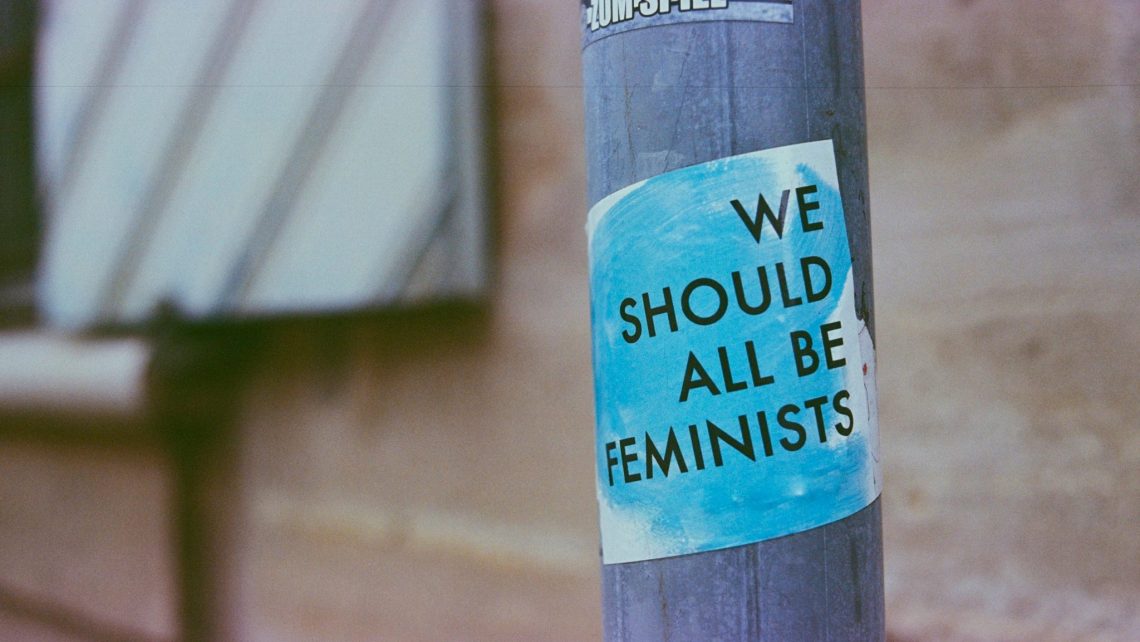
International Women’s Day is a reminder that equality is not a finished state, but an ongoing social task.