Which parties defend humanist values and represent the interests of non-denominational people in Europe? The HVD’s election test stones provide information.
Humanistischer Verband Deutschlands – Bundesverband / Press/news / Page 17

Which parties defend humanist values and represent the interests of non-denominational people in Europe? The HVD’s election test stones provide information.

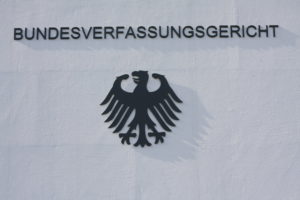
This week, the Federal Constitutional Court in Karlsruhe heard the lawsuits against the controversial Section 217 prohibiting assisted suicide. There are now some indications that the judges could overturn it. The Humanist Association of Germany (HVD), which had justified this demand in detail in statements, would very much welcome this.

In May 2019, the citizens of the European Union will elect the European Parliament for the ninth time. These elections will shape Europe for years to come. For five years, this European Parliament will be one of the most important interlocutors in defending humanist values and enabling and protecting new rights. The question of who will be elected to the European Parliament is more important than ever. That is why the Presidium of the European Humanist Federation (EHF) adopted the following manifesto in Brussels.

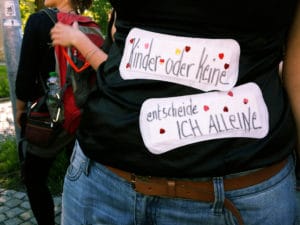
The cabinet today approved the governing coalition’s compromise on § 219a. The Humanist Association of Germany criticizes this decision in the strongest possible terms. The proposed bill bears the hallmarks of Christian fundamentalists and self-proclaimed pro-lifers and represents a vote of no confidence in women and doctors.

On the day of remembrance of the victims of National Socialism, Florian Zimmermann, President of the Humanist Association of Germany, calls on people to take an active stand against racist, right-wing extremist and inhuman tendencies.

The Alliance for Sexual Self-Determination criticizes the federal government’s paper as hypocritical, as it will not improve the situation of those affected, but rather contribute to additional stigmatization of abortions and unwanted pregnancies.

The UN Charter of Human Rights was proclaimed 70 years ago. But how free and equal are we today? We need to preserve and protect this achievement of humanity.

The changed social conditions towards religious and ideological pluralism must be taken into account. A conference on religious policy issues can create the basis for this.

Women had been fighting for this for decades, and on November 12, 1918 – 100 years ago – they were finally granted the right to vote. Where do we stand today in terms of equal rights for women and men?

After 25 years of existence, the Humanist Association of Germany took concrete steps towards reforming its association structure last weekend.