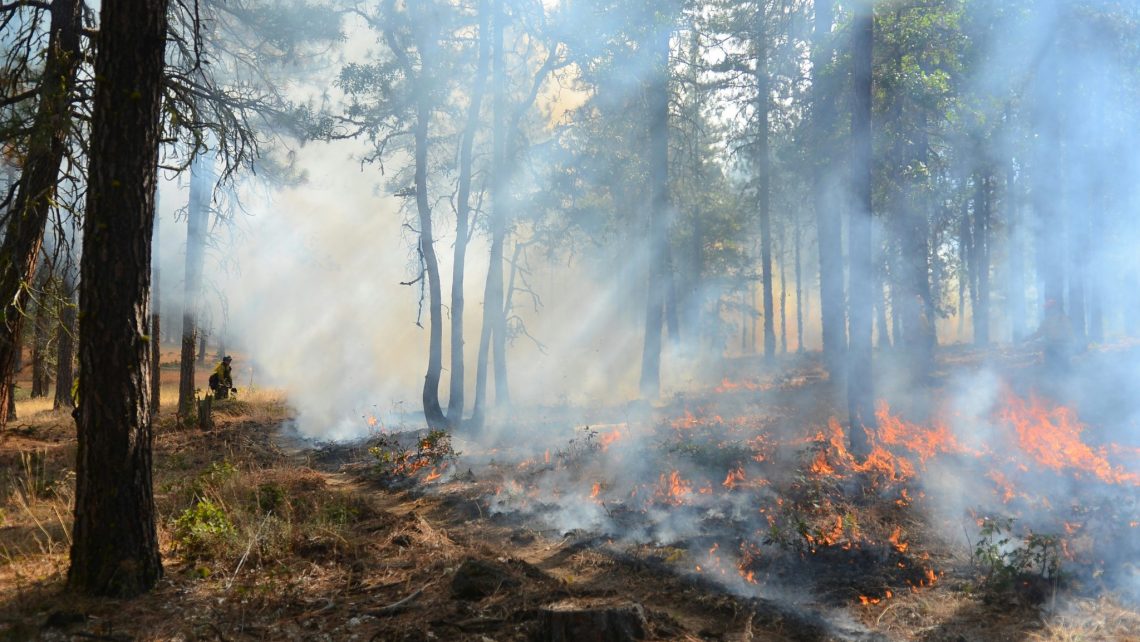
Europe’s forests are burning. Heat waves, droughts, crop failures, and water shortages are threatening people, animals, nature, the economy, and infrastructure. The main driver of these acute challenges is the human-caused climate crisis. Extreme temperatures are also being recorded in Germany; emergency responders are working around the clock, and thousands of people have already died as a result of the heat.
Aline Mittag, Federal Commissioner for Climate and Sustainability of the Humanist Association of Germany | Federal Association, explains: “Humanism means taking responsibility for people. The climate crisis is an ecological challenge that must address issues of justice, health, and human dignity. Anyone who wants to protect people must view heat and climate protection as a central societal task and act accordingly.”
But instead of taking effective countermeasures, Chancellor Merz and Vice Chancellor Klingbeil remain silent. On the contrary: The CDU-SPD federal government is undermining climate protection and cutting funding for necessary investments to safeguard public order and health. Local governments and social service agencies must create cool spaces, hire staff, and retrofit buildings for energy efficiency—all without sufficient funding.
The climate crisis threatens the entire population and the entire country at all levels of government. To protect people and our way of life, the federal government must convene a summit on heat and fire protection now.
We call on Chancellor Merz and his cabinet to take a stand. The government must now make five decisions to protect people from the immediate consequences of the climate crisis, heat, drought, and extreme weather, and to fulfill its responsibility to future generations.
1. Convene a heat summit
Heat poses a threat to our society: increased cases of illness and risks to workers, overheated buildings, stranded trains, damaged roads, and an elevated risk of wildfires—numerous sectors and stakeholders in public life are working around the clock due to the heat waves. The federal government must therefore immediately convene a heat and fire protection summit in which stakeholders and experts from civil protection, health and long-term care, agriculture and forestry, climate science, water resource management, urban development, utilities, and infrastructure can have their voices heard and be integrated into the federal government’s decision-making process. By holding this summit, the federal government is responding to an exceptional threat to our country.
2. National Heat Protection Plan
The federal government must adopt a binding heat protection plan that defines clear responsibilities for the federal government, the states, and local governments and ensures long-term funding. To ensure a holistic approach to adaptation, the plan must include sustainable urban development, adaptations in agriculture and forestry, the safeguarding of infrastructure and health care, and recognize the central role of intact ecosystems and nature-based solutions as the most effective and cost-efficient preventive measures. Comprehensive and easy-to-understand nationwide warning systems must be established for future heat waves and their consequences. Climate-resilient cities, communities, and intact ecosystems are the vital protective measures for a future shaped by climate change.
3. Enshrine Joint Responsibilities in the Basic Law
Germany must protect its citizens from the dangers posed by the climate crisis. Climate change is a massive challenge for our country’s society and infrastructure and must be clearly recognized as such. The joint tasks of “Municipal Climate Protection” and “Nature Conservation and Climate Adaptation” must be included in Article 91a of the Basic Law as a shared responsibility of the federal government and the states, so that states, municipalities, and social institutions are provided with predictable and sufficient funding on a long-term basis.
4. Funding Climate Protection and Climate Adaptation
Unchecked climate change incurs enormous costs. The more the government fails to act, the more expensive it becomes. Climate protection and adaptation measures protect people and ensure the continued functioning of our economy. Every euro spent on prevention saves many times that amount in costs for remediation. It is therefore essential to secure adequate funding from the federal government. We must ensure that the funds from the Climate and Transformation Fund (KTF)—including all revenue from the European Emissions Trading System—are directed entirely and exclusively toward measures to combat climate change and mitigate its effects.
5. Moving Away from Fossil Fuels
The burning of fossil fuels—oil and gas—is the primary driver of the climate crisis. The federal government must therefore accelerate an orderly and socially just phase-out of oil and gas. New fossil fuel projects and subsidies, oil and gas infrastructure, and the stifling of renewable energy must have no place in the future in order to protect future generations from the escalating consequences of the climate crisis. Instead of pouring billions more into climate-damaging dependencies, Germany must become independent of fossil fuels. To achieve this, the federal government must drive forward electrification and consistently expand renewable energy, climate-friendly heating, and climate-neutral and socially responsible mobility via rail, bus, and bicycle.
Heat Summit Now! · Joint Statement of Demands to the Federal Government